
Fleet & Vehicle Tracking
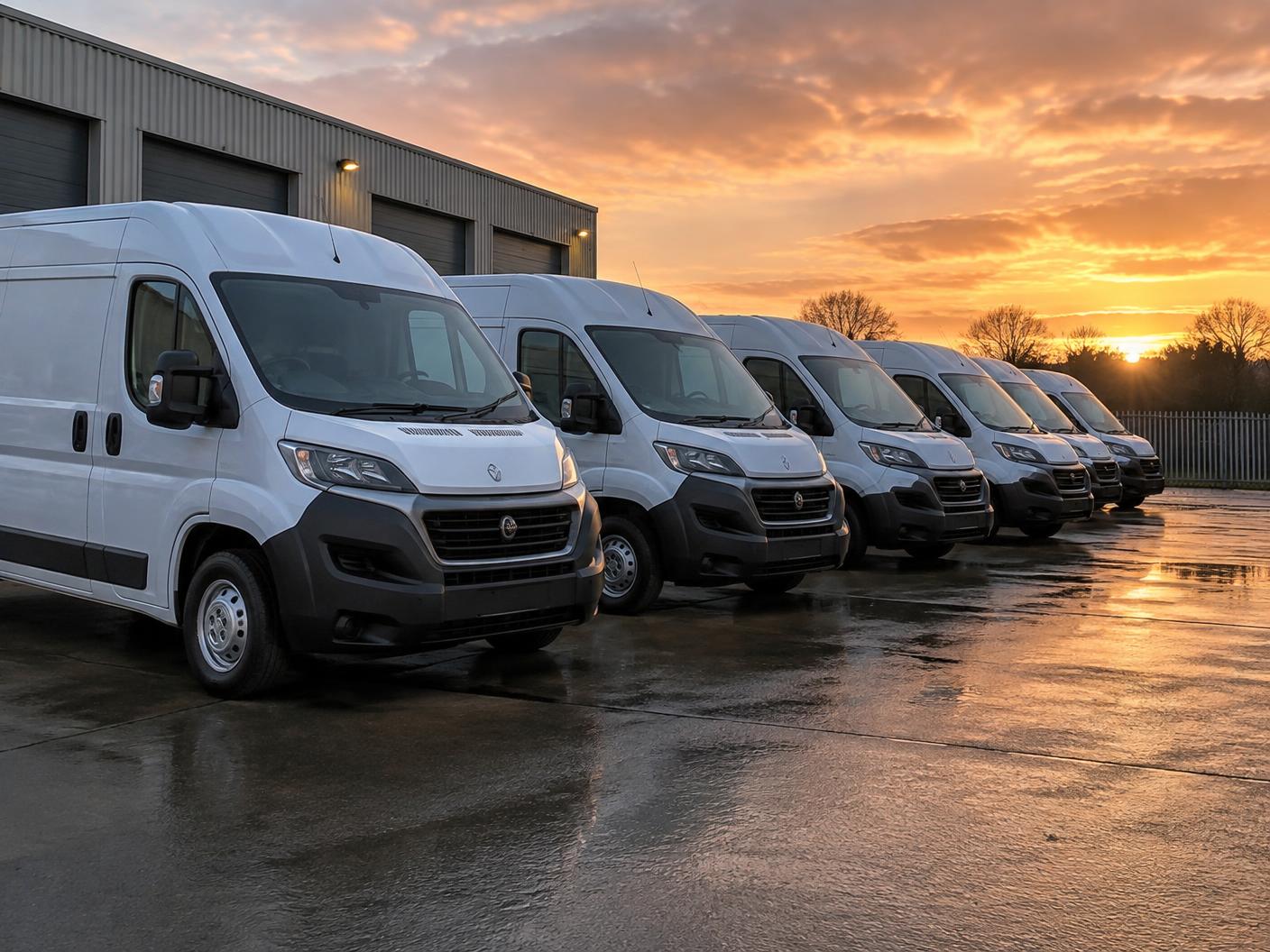
Vehicle trackers, telematics, fleet management systems and mobile equipment that needs to report while on the move.
IoT & M2M Connectivity
From vehicle trackers and smart meters to security systems, plant machinery and remote sensors, DMV provides reliable IoT connectivity to keep business-critical devices connected wherever they operate.
IoT SIMs allow connected equipment to securely send and receive data over mobile networks, without relying on conventional fixed broadband or on-site Wi-Fi.
Five devices or thousands
Independent advice on the right approach
Where IoT connectivity is used
Most IoT projects start with a practical problem: equipment that needs to report data from somewhere a fixed line cannot reach. These are the applications DMV is asked about most.
Vehicle trackers, telematics, fleet management systems and mobile equipment that needs to report while on the move.
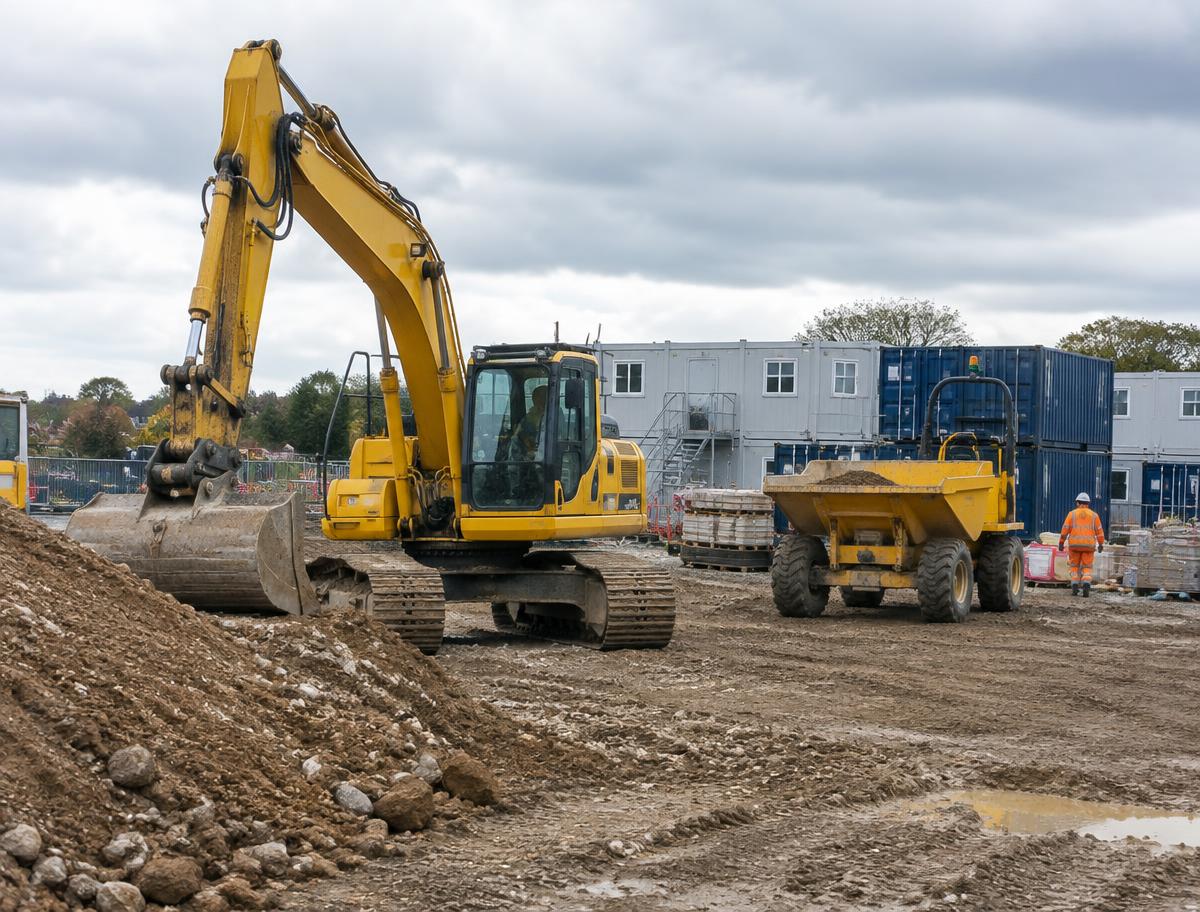
Plant machinery, trailers, containers, tools and valuable equipment, on site or in transit.
Connected cameras, alarm systems, temporary sites, access control and remote security equipment.
Electricity, gas and water metering plus environmental monitoring across single or multiple locations.
EPOS terminals, payment devices, vending machines, kiosks and other connected retail equipment.
Heating controls, alarms, occupancy monitoring, building management systems and energy monitoring.
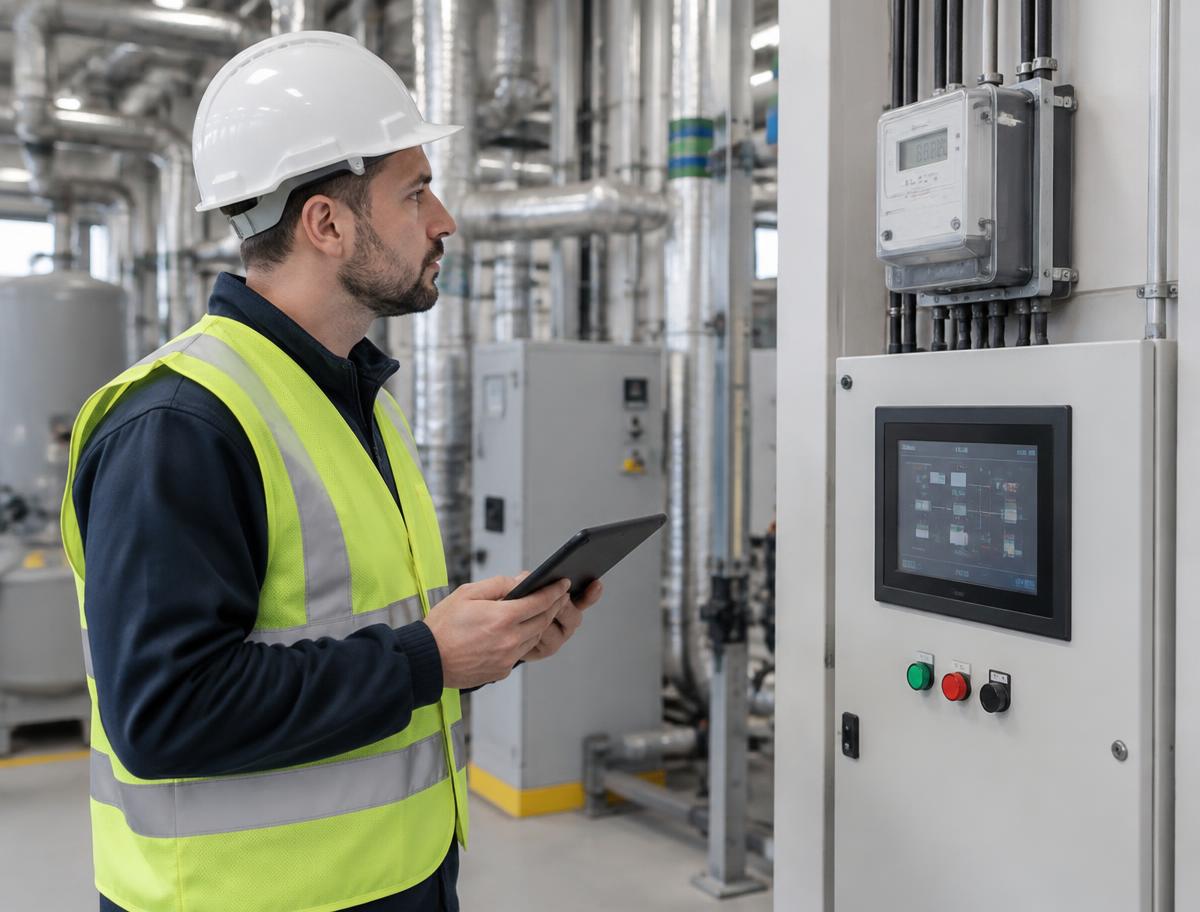
Machine status, remote diagnostics, telemetry and data that supports predictive maintenance.
Connected monitoring equipment and remote care applications that rely on dependable data.
Livestock tracking, soil and weather sensors and remote monitoring of equipment in rural locations.
Parking sensors, waste monitoring, street lighting and other connected infrastructure.
Technology choice
Different applications need different connectivity. A sensor sending a small reading a few times a day has very different requirements to a connected camera streaming video, or a tracker moving across the country all day.
Low-data devices may suit technologies such as NB-IoT or LTE-M, which are designed for small, regular data transfers and long battery life. Higher-data or mobile applications usually need 4G or 5G IoT connectivity. No single SIM or network technology is right for every use case — and availability varies by device, network and location.
DMV's role is to help you identify the correct network, tariff and connectivity approach before you commit, based on what your devices actually do.
How much data each device sends and how often
The type of device and how it is installed
Where devices are located and whether they move
Coverage requirements across sites or regions
Security expectations for the data involved
How many devices you need now and later
Business benefits
Well-planned device connectivity is usually about operational time and control rather than technology for its own sake.
Manage connectivity remotely rather than device by device
Scale deployments as more equipment is added
Reduce manual site visits for routine checks
Improve visibility of equipment, usage and status
Keep business-critical devices resiliently connected
Connect equipment in locations without fixed broadband
IoT questions
Plain answers to the questions businesses and IT managers ask before starting a deployment.
An IoT SIM card is a mobile SIM designed for equipment rather than people. It sits inside a device such as a tracker, camera, meter or sensor and allows that device to send and receive data over a mobile network instead of relying on fixed broadband or Wi-Fi.
The terms are often used interchangeably. M2M (machine-to-machine) usually describes one device reporting data back to a system, while IoT is the broader term for connected devices and the platforms around them. In practice both describe SIM connectivity for equipment.
Sometimes, but it is rarely the best fit. Business mobile tariffs are built around people making calls and using data on phones, while device connectivity is usually about small, regular data transfers over long periods. DMV will advise which approach suits your application.
Yes. DMV arranges connectivity for vehicle trackers, telematics units, plant machinery, trailers and other mobile assets, and will discuss the coverage and data requirements of your specific hardware before recommending anything.
Some IoT products can connect to more than one mobile network so a device is not tied to a single network's coverage in one area. Availability depends on the product, hardware and location, so DMV confirms what is genuinely available for your deployment rather than assuming it.
There is no fixed minimum from DMV's side. We work with businesses connecting a handful of devices and with organisations deploying at much larger scale, then advise accordingly.
Next step
Whether you need to connect five devices or thousands, speak to DMV about the most appropriate IoT connectivity solution.
Tell us about your business and we'll compare the market, then come back with a clear, tailored recommendation.